
Heritage Brick Restoration Guide for Ontario Homeowners
Own an older brick home? Learn the red flags of incompatible repairs, what proper heritage restoration includes, and how to choose a qualified mason.
On this page
A homeowner in Hamilton called us about their 1890s farmhouse. A contractor had repointed the entire facade two years earlier. The mortar looked perfect—clean, uniform, solid. But the brick faces were flaking off in sheets.
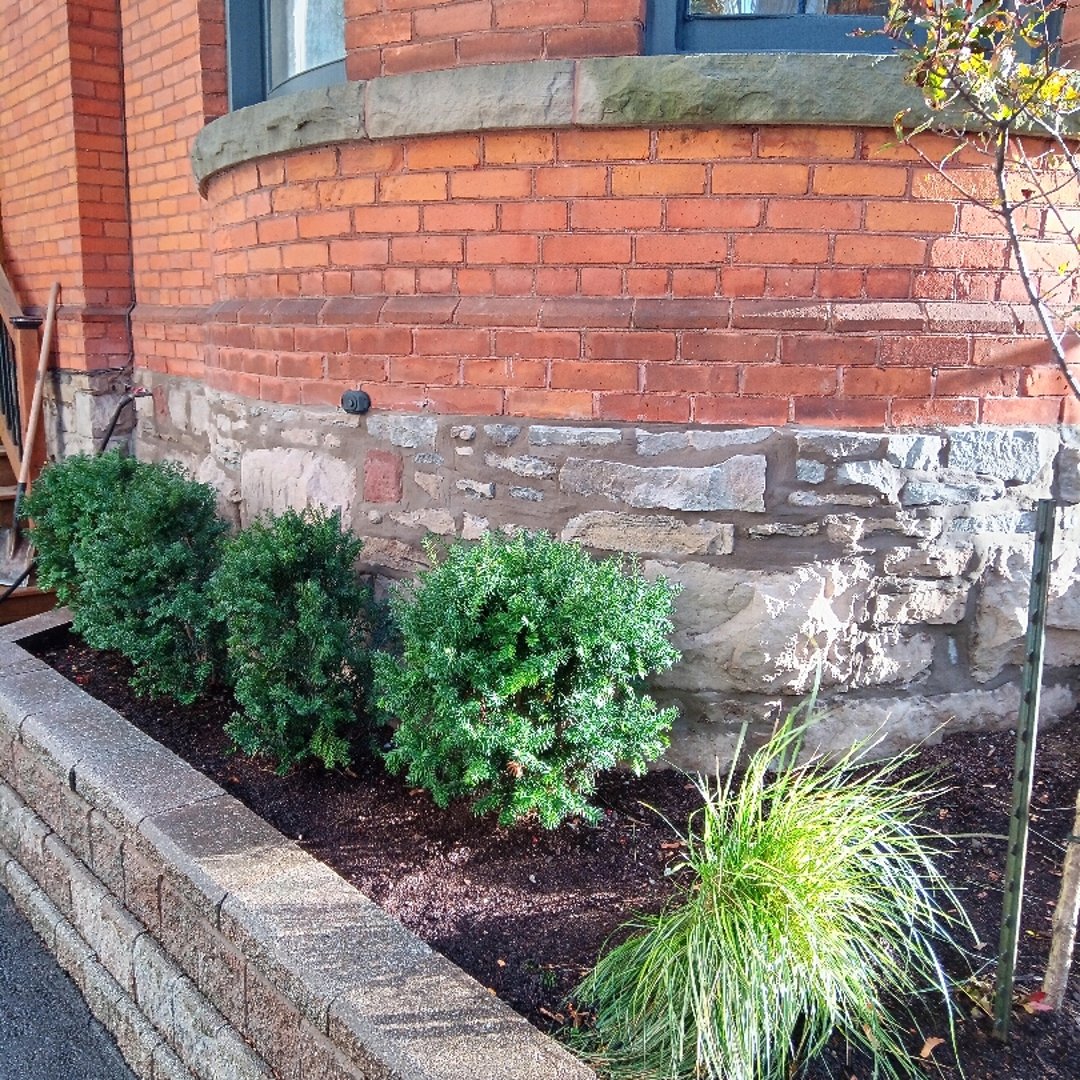
The contractor had used Portland cement mortar. On soft heritage brick, that's a death sentence.
This is the most common mistake we see on century homes: repairs that look professional but use the wrong materials. The mortar survives. The brick—the expensive, irreplaceable part—dies.
"As we gradually restore our 141-year-old brick home in Hamilton, we've called on Fix My Brick three times to help with some of the work. They've done excellent work every time." — Paul W.
This guide explains what makes heritage brick different, how to spot bad repairs, and what proper restoration looks like.
Why Heritage Brick Is Different
Historic Ontario buildings were built as a system. The brick, the mortar, and the wall design all work together to handle moisture.
The brick absorbs and releases water. Older brick is softer and more porous than modern brick. It's designed to let moisture move through it, not seal it out.
The mortar is intentionally weaker than the brick. Traditional lime mortar is the "sacrificial" part of the system—it wears first, so the brick doesn't have to. When the mortar fails, you repoint. When the brick fails, you're looking at expensive replacement.
The wall breathes. Heritage walls weren't built to be watertight. They were built to dry out. Sealing them with modern materials traps moisture inside.
This system is why many heritage walls last 150+ years. It's also why modern "upgrades" cause faster deterioration.
Soft Brick vs Modern Brick
Not all brick behaves the same. Here's how to tell what you're dealing with:
Signs of soft brick (common in pre-1920s homes):
- Powdery or sandy brick surfaces
- Frequent spalling, especially near mortar joints
- Variable brick sizes and colours
- Repairs that look fine at first but fail again within a few years
Signs of modern brick:
- Consistent size, shape, and colour
- Hard, dense faces
- Paired with grey cement mortar without spalling
If you're unsure, get an assessment before anyone repoints. The wrong mortar on soft brick causes damage that can't be undone.
The Portland Cement Problem
This is the single most important thing heritage homeowners need to understand: historic brick repair is a compatibility problem, not a strength problem.
Modern Portland cement mortar is harder and less breathable than the brick it's attached to. Here's what happens:
- Moisture enters the wall (rain, condensation, ground contact)
- The mortar blocks it from escaping (cement is less permeable than soft brick)
- Water gets trapped behind the brick face
- Freeze-thaw cycles blow the face off (water expands 9% when it freezes)
- The mortar stays intact while the brick crumbles
We've seen this pattern hundreds of times. Homeowners call because their brick is "suddenly" falling apart—but when we look closer, there's usually a cement repoint job from 5-10 years earlier.
"Fix My Brick replaced spalling brick on my 120 year old house. I was worried about how the new brick would match with the existing, but Ryan did a great job of it." — Brad C.
The mortar types guide explains why different mortars behave differently—it matters here.
Signs Your Repairs Used Incompatible Materials
If your home has been repointed before, look for these red flags:
Hard, smooth mortar with crumbling brick beside it. The mortar is fine. The brick is dying. That's backwards—mortar should fail first.
Spalling that started or accelerated after repointing. If your brick was stable for decades, then started falling apart after repairs, the repairs are likely the problem.
Sealed or painted brick that stays damp. Waterproof coatings trap moisture inside the wall. You might see damp patches, efflorescence (white mineral deposits), or mould on interior walls.
Repeated failures in the same area. If the same section keeps needing patches, something fundamental is wrong—usually material compatibility.
What Proper Heritage Restoration Includes
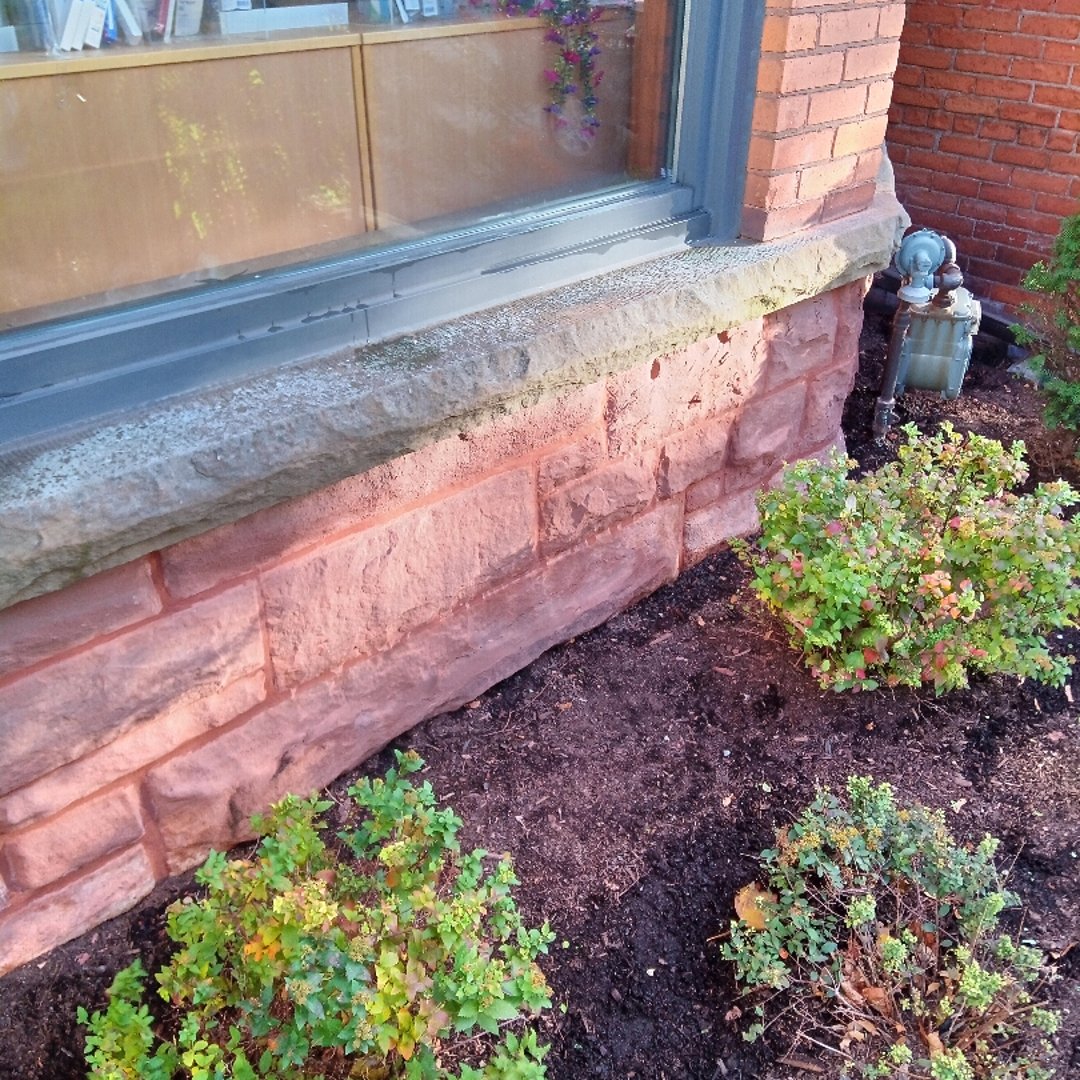
Heritage restoration is a plan, not a patch. A proper scope includes:
Brick assessment. What's salvageable? What needs replacement? How far has the damage spread?
Mortar compatibility analysis. What type of mortar is appropriate? Heritage work uses lime-based mortars—softer and more breathable than cement.
Joint profile matching. The "joint profile" is the shape and finish of the mortar line between bricks. Flush, concave, struck, weathered—it affects both appearance and water shedding. Your repairs should match what's already there.
Careful removal. Removing old mortar without chipping brick edges requires hand tools or careful grinding. Power tools in careless hands destroy brick.
Moisture source identification. Why is the wall getting wet? Leaking gutters, grade issues, failed flashing—fix the water problem or the repairs won't last.
Colour matching. Mortar colour comes from the sand, lime, and pigments used. Getting a close match on visible areas requires sample testing. See mortar matching services for how this works.
"Was particularly impressed with how seamless the repair looks when considering the original surrounding brick work is over 100 years old." — Steve D.
For more detail: heritage masonry restoration services.
How Urgent Is Your Situation?
Now that you understand what you're looking at:
Book an Assessment Now (Safety Risk)
- Loose bricks or pieces falling off, especially above walkways or entrances
- Bulging or leaning sections, widening cracks, or visible movement
- Rapid spalling that started after recent repointing (compatibility emergency)
Address This Season
- Crumbling or missing mortar across multiple areas
- Localized spalling that's spreading
- Damp staining or efflorescence paired with mortar breakdown
Monitor and Plan
- Hairline mortar cracks that haven't changed
- Cosmetic staining without material loss (but investigate the moisture source)
- Minor wear on non-structural areas
Heritage Permits: What You Need to Know
Some Ontario properties are designated under the Heritage Act or located in heritage conservation districts. That can affect what approvals you need for exterior work.
The basics:
- Designated properties may require a heritage permit for visible changes
- Requirements vary by municipality—Toronto, Hamilton, and Niagara have different processes
- Small repairs using matching materials are often straightforward
- Changes that alter appearance face more scrutiny
What to do:
- Check if your property is designated (your municipality can tell you)
- Ask your contractor about permit requirements before signing anything
- Document existing conditions with photos—you may need them for approvals
A heritage-aware contractor can help you navigate this. We work with designated properties regularly and know what documentation reviewers want to see.
What Happens If You Wait
Heritage walls don't collapse overnight, but the scope grows when compatibility and moisture problems go untreated:
Year 1-3: Mortar loss lets water into the wall. You might notice damp spots inside or recurring efflorescence outside.
Year 3-7: Repeated freeze-thaw cycles start claiming brick faces. Spalling accelerates. What started as a repointing job now includes brick replacement.
Year 7-15: Damage spreads. Replacement becomes more visible because you're matching larger areas. Costs increase significantly.
Beyond: Localized movement or structural concerns. Major rebuild scope.
The sooner you address compatibility, the more original brick you save.
How to Choose a Heritage Mason
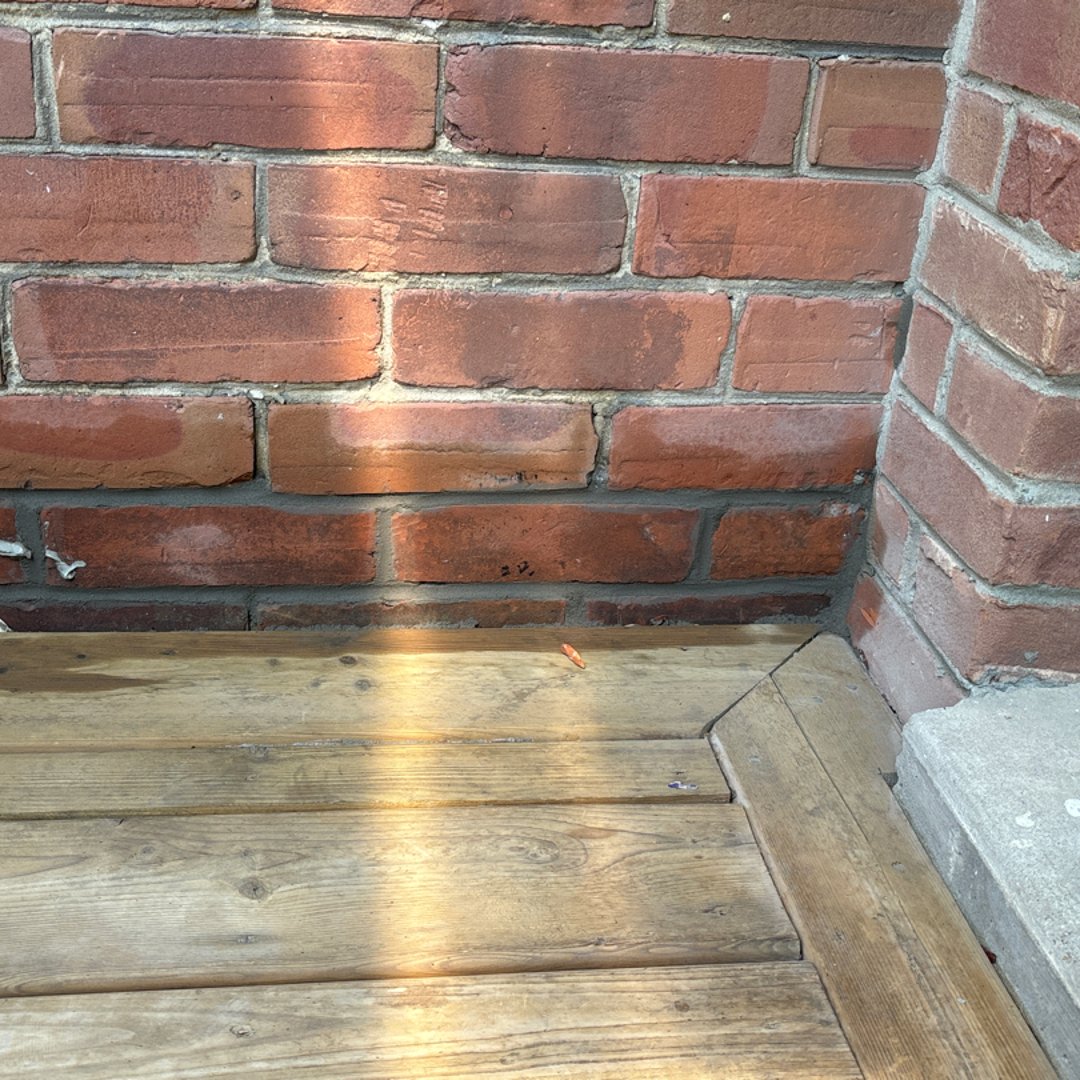
Not every masonry contractor understands heritage work. Here's what to look for:
They explain mortar compatibility. If they can't tell you why lime mortar matters on soft brick, they don't understand the problem.
They show similar work. Ask for photos of heritage projects. Look for clean joints, matching brick, invisible repairs.
"We were skeptical for a franchise company rebuilding our 140 year old Victorian chimneys and putting them back to their original design. We are ecstatic over the job... custom cut and fit a lot of bricks to match the design." — Chris G.
They discuss joint profiles. The shape of the mortar joint affects both appearance and water management. A good contractor will ask what profile you want and explain the trade-offs.
They protect brick during removal. Ask how they remove old mortar. "We use grinders" without further explanation is a red flag. Heritage work requires care.
They understand permits. If your property might be designated, they should ask about it and know how to help with documentation.
Get Your Heritage Brick Assessed
If you own a century home and you're seeing mortar loss, spalling, or signs of incompatible past repairs, get an assessment before the scope grows.
We'll look at your brick condition, evaluate past repairs, identify moisture sources, and give you straight answers about what's needed—whether that's targeted repointing, brick replacement, or just monitoring.
"Our house is over a century old and the crew took care to make the necessary repairs match the existing brick and worked fast to complete the job." — Murray M.
Book an Assessment or call (905) 807-0404.
Related Reading
- Heritage Masonry Restoration Services
- Mortar Types Guide
- Tuckpointing Services
- What Is Brick Restoration?
- Brick Restoration Techniques
Sources
Need Professional Masonry Services?
Our expert team is ready to help with all your masonry repair and restoration needs across Ontario.